

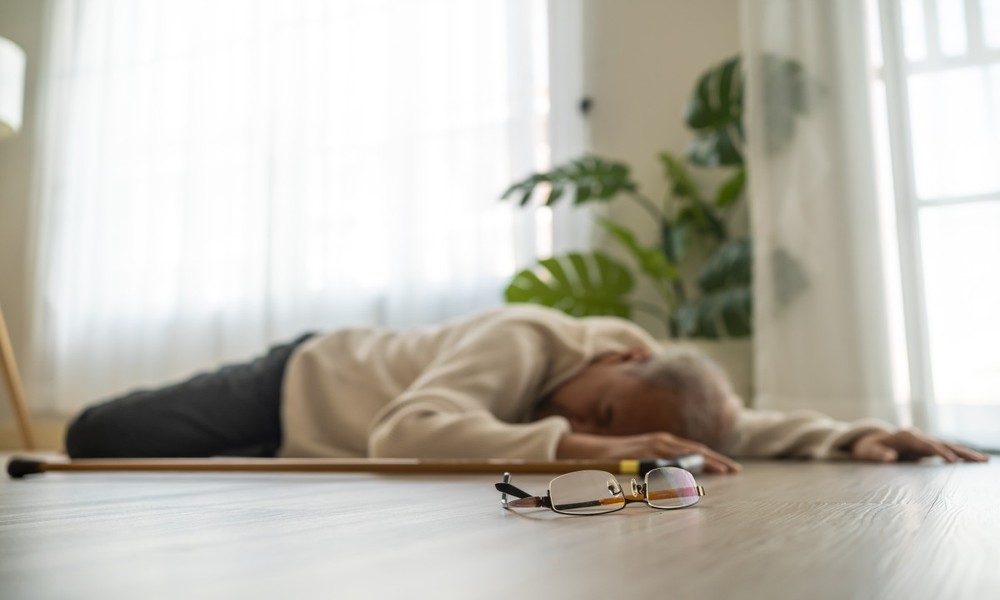
You book a weekend in Jersey City for a wedding, a Yankees game, or a quick getaway. The listing looks great. The check-in is smooth. Then on Saturday morning the loose stair tread on the second floor gives way, and you land on the landing with a fractured wrist. The host apologizes by text. Airbnb’s customer service offers a refund. Neither has any interest in covering the surgery your orthopedist just scheduled. Short-term rental injuries occupy an odd corner of New Jersey premises liability law, one where multiple parties point at each other and hope you give up. At The Law Offices of Anthony Carbone, we have seen these cases multiply as Airbnb, VRBO, and similar platforms expanded across Hudson County, and the legal terrain is more navigable than the platforms want guests to believe.
How New Jersey Treats a Short-Term Rental Guest
Premises liability turns on the visitor’s legal status. New Jersey recognizes three traditional categories: invitee, licensee, and trespasser. Paying guests at an Airbnb or VRBO fall squarely into the invitee category, which is the strongest protection the law offers.
An invitee is owed a duty of reasonable care to discover and correct dangerous conditions, warn of hazards the owner knew or should have known about, and maintain the premises in a reasonably safe state. The duty is the same one a hotel owes a paying guest. The difference is that hotels carry commercial general liability policies built for the volume. Short-term rental hosts often have personal homeowner’s insurance that specifically excludes commercial activity, which is where the coverage fight starts.
The Host’s Insurance Problem
A standard New Jersey homeowner’s policy contains a business pursuits exclusion or a rental activity limitation that voids coverage when the home is used to generate income. Many hosts do not realize this until a guest gets hurt and the carrier denies the claim.
The available coverage layers usually include:
- The host’s personal homeowner’s policy, which often denies coverage based on commercial use
- A rider or endorsement the host purchased specifically for short-term rentals
- A landlord or dwelling fire policy if the unit is a dedicated rental
- The platform’s host protection program, which is secondary to other available coverage
Hosts who run their listings through an LLC and carry a commercial general liability policy are the cleanest defendants. Hosts who treat their primary residence as a side hustle without telling their insurer are the messiest.
What Airbnb’s AirCover Actually Covers
Airbnb promotes a host liability program called AirCover, which provides up to $1 million in liability protection for hosts when a guest is injured. The program is real, but the limits and exclusions matter. Coverage is excess over any other available insurance, which means the host’s homeowner’s carrier gets the first look at the claim. AirCover excludes intentional acts, certain communicable diseases, and a list of specific scenarios buried in the program terms.
VRBO offers a similar liability program through its parent company. The structure and exclusions are comparable.
Recovering against these programs requires presenting a formal claim with documented damages, medical records, and proof of the dangerous condition. Platforms do not pay claims based on a chat with customer support.
What the Platforms Themselves Are Liable For
Airbnb and VRBO have spent considerable effort positioning themselves as technology platforms rather than property managers. Section 230 of the federal Communications Decency Act and the platforms’ user agreements push liability onto the host.
Courts have generally accepted that framing in cases involving listing accuracy or guest behavior. The analysis gets harder when the platform’s own conduct contributed to the injury, for example by failing to remove a property after prior safety complaints or by representing safety standards that did not exist. Direct claims against the platform are rare and difficult, but they are not categorically barred.
The more productive target in most cases remains the host and any property management company involved in the listing.
Common Injury Scenarios in NJ Short-Term Rentals
The injuries we see most often in Hudson County short-term rentals follow predictable patterns:
- Falls on stairs lacking handrails, with worn treads, or with loose carpeting
- Slip and fall on wet bathroom floors without bath mats or non-slip surfaces
- Carbon monoxide exposure from improperly maintained gas appliances or blocked vents
- Burns from water heaters set above safe temperatures
- Injuries from unsafe balconies, decks, or rooftop access points
- Pool and hot tub injuries at properties without proper fencing or warnings
- Drug or chemical exposure from prior occupants who left substances accessible
Carbon monoxide cases stand out because New Jersey requires working CO detectors in all rental units, including short-term rentals, under N.J.A.C. 5:70-4.19. A missing or non-functional detector is strong evidence of negligence.
Local Registration and Compliance
Jersey City has its own short-term rental ordinance that limits hosting in non-owner-occupied properties and requires registration. A host operating outside the ordinance may face additional regulatory exposure that strengthens a civil claim. Pulling the registration records is one of the early investigative steps in any short-term rental case.
The Steps That Protect Your Case
What you do in the first 24 hours often determines what your claim is worth six months later:
- Photograph the dangerous condition immediately, before the host can repair or remove it
- Get medical attention the same day and tie the injury to the location in the records
- Save the entire booking record, including the listing, photos, host messages, and any prior reviews mentioning safety
- Report the incident through the platform in writing, keeping responses factual and brief
- Identify any witnesses, including other guests staying with you
- Decline recorded statements from insurance representatives until you have spoken with counsel
Listings get edited or removed after incidents. Screenshots of the listing as it appeared when you booked it become important evidence later.
How The Law Offices of Anthony Carbone Approaches These Cases
Short-term rental claims require identifying every potentially liable party and every applicable insurance policy before the statute of limitations runs. The firm’s process typically includes:
- Title and tax record searches to identify the actual owner, often a different entity than the listed host
- Discovery aimed at the host’s insurance application and any misrepresentations made to the carrier
- Subpoenas for prior maintenance records, repair invoices, and any earlier guest complaints
- Coordination with the platform’s claims department under their specific submission procedures
The firm’s premises liability pages and practice area overview cover related ground. Jersey City’s official short-term rental ordinance page on the city website is also worth reviewing for hosts and guests who want to understand the local rules.
A fall, a burn, or a CO exposure at an Airbnb does not have to end with a token refund and a stack of medical bills. New Jersey law gives injured guests real leverage when the right parties are identified and the evidence is preserved. The Law Offices of Anthony Carbone offers a free consultation to evaluate the host’s coverage, the platform’s program terms, and the strength of your premises liability claim. Call 201-963-6000 to start building the case before the listing disappears from the site.
